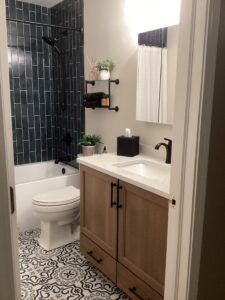
Remodeling your commercial space can be a power move to attract more customers, maintain competitiveness in a changing market, and boost employee morale. Common renovations include changing the layout, updating décor and painting, or modernizing your space. Regardless of the remodel, business owners and managers are concerned with one thing: how do you complete a remodel without stopping business operations?
The idea of navigating noisy construction, limited space, or even partial closures can be stressful. But with careful planning, strategic execution, and clear communication, it is entirely possible to remodel your commercial space without significantly disrupting your day-to-day operations.
In this guide, we will discuss strategies for managing a renovation project while keeping your business open and operational.
1. Develop a phased remodeling plan. One of the most effective ways to keep your business running smoothly during a remodel is to implement a phased approach. This means you would divide your project into manageable sections, renovating one area at a time while the rest of the business continues normal operations.
- Benefits of this approach include: keeping large portions of business workspace usable, spreading out cost of the project overtime, reducing the noise or disruption during construction, and giving your team time to adjust and adapt to new changes.
- How to implement:
- Prioritize critical areas: renovate less-used spaces first, such as storage rooms or offices, before moving to customer-facing operations or high-traffic zones.
- Create a renovation calendar: lay out a timeline of what areas will be worked on and when so that your team is aware of operations.
- Schedule strategically: tackle the most disruptive phases of the renovation during off-peak seasons, evenings, or weekends/weekdays, depending on your business.
2. Hire an experienced commercial contractor. Your choice of contractor can make or break a renovation experience. You want to choose a professional who not only understands construction but is also aware and experienced in active commercial environments.
- Some qualities to look for in a contractor include: experience with occupied remodels, willingness to work flexible hours (if that is something your business might require), and a proven track record with projects in your industry (example: retail, restaurants, offices).
- Make sure you ask the right questions before choosing a contractor. Here is a list of a few that might be helpful as you begin planning.
- How will you minimize noise and dust?
- Can you work in off-hours or overnight?
- How do you handle communication with tenants or business owners?
A good contractor will also help you navigate local permitting, adhere to any building codes, and maintain safety standards without stopping your business operations.
3. Maintain clear communication with staff and customers. Just as change can be exciting, it can also be unsettling! When renovations include loud tools, temporary walls, or rerouted pathways, the best way to ensure comfort for everyone is to be proactive with transparent communication.
- For your employees:
- Host a pre-renovation meeting where you outline the renovation timeline, expectations, and impact on the workflow.
- Encourage feedback, where employees can voice concerns or suggest accommodations.
- Provide updates, such as regularly informing your employees about progress or upcoming changes.
- For your customers:
- Use signage to clearly mark areas under construction and to reroute foot traffic.
- Use your digital platforms such as email, social media, and your business website to keep customers in the loop.
- Reframe the narrative – turn the inconvenience of renovations into a positive outlook. For example, “we’re upgrading to serve you better!”
4. Create temporary workarounds and flexible spaces. If parts of your business space become unusable during construction, think about how you can creatively maintain workflow and customer service.
- For retail or customer-facing businesses, some ideas for flexible space include:
- Using pop-up spaces, such as a temporary service counter or checkout area.
- Outdoor extensions, such as a patio or tented area to continue operations.
- Limited entry into renovation zones, such as portable barriers, to separate clean and dusty areas.
- For office spaces, some solutions for temporary workarounds include:
- Remote work solutions, which allows and encourages employees to work from home during the loudest or most disruptive phases.
- Having a shared workspace, like temporarily renting another space or meeting rooms nearby.
- Schedule shifts or stagger working hours to reduce crowding in the remaining usable space.
The use of flexible space allows operations to continue, even at a slightly reduced capacity, and helps to maintain a professional and safe atmosphere.
5. Choose low-disruption construction techniques, as not all construction methods are created equal. Some tools, materials, and techniques are better suited for active environments. When deciding or discussing with your contractor, consider the following:
- Modular or prefabricated components can be assembled off-site and quickly installed, which minimizes onsite work time.
- Dry construction prefers screw-and-fastener systems over wet concrete or glue. This method can reduce the mess and drying time needed for other methods.
- Sound-reducing equipment, which some contractors may offer, uses quieter tools for use in sensitive environments.
- Dust containment strategies, such as temporary walls, zip walls, and negative air machines, help to contain debris and keep air quality healthy.
Your contractor should be able to advise you on the best materials and methods for your business to maintain safety and cleanliness during operational hours.
6. Work during off-hours when possible. Sometimes the best way to avoid disruptions to business is to not work during business hours at all! Some contractors can offer night-time or weekend hours for this specific reason. Here are some helpful tips for achieving this:
- Negotiate an off-hours schedule with your contractor or see what options they have available.
- Ensure that proper security and noise ordinances are followed.
- Build in buffers. For example, if construction is being completed in the evenings, give yourself enough time in the morning to clean up and reset your business space for operations.
This approach may be more expensive up front, but it might be worth the investment to maintain daily productivity and customer satisfaction.
7. Invest in temporary signage and navigation aids, as construction can be confusing and dangerous if not clearly marked. Thoughtful signage can help customers, delivery drivers, and employees to navigate the space confidently. It can also reduce the load on your staff by answering common questions before they arise. Signage and navigation should include:
- Directional signs that point out alternate entrances, accessible paths, and restrooms.
- Safety notices, such as warning of wet floors, possible debris, or restricted areas.
- Brand-aligned messaging that is both friendly and professional. An example of a good posting would be, “pardon out dust, we are building something you’ll love!”
8. Set a realistic budget and timeline, then add padding. One of the biggest sources of stress during a remodel is an overrun on cost or time. To keep your business functioning smoothly, you want to be extra cautious with planning.
- Include contingency in your budget and timeline.
- Budget: add 10-20% over your expected costs to account for surprises.
- Timeline: build in a buffer in case of delays due to permits, weather, or supply chain issues.
A well-thought plan prevents frustration and gives you options in case things do not go the way you planned.
9. Use the renovation to engage with your community. Use the remodel as a marketing opportunity for your business. Some ideas for this include:
- Behind-the-scenes content, such as sharing renovation updates and “sneak peaks” on social media.
- Using customer polls for ideas and input. Let your customers help in the renovations by voting on paint colors, furniture, or layout choices.
- Have a grand reopening event, where you celebrate the new space with an open house, ribbon cutting, or special promotion.
By making customers feel like they were a part of the journey, you can maintain their loyalty, even during a time of inconvenience.
10. Don’t forget about safety and compliance. Make sure this is a priority for everyone involved, including employees, customers, and construction crews. Here are some best practices to keep in mind:
- Maintain clear fire exits and emergency routes.
- Install dust barriers and air purifiers as needed.
- Ensure ADA compliance is followed during construction.
- Post updated safety plans for customers and employees.
If your remodel impacts building systems like fire alarms, HVAC, or plumbing, make sure temporary solutions are in place and properly permitted.
You can have a business remodel without closing your doors!
Remodeling your space and staying open for business isn’t just possible, it can be smart, strategic, and even profitable if done correctly! With strong planning, clear communication, and the right team for the job, you can transform your space without losing business or frustrating your staff. Think of a renovation as an investment, not just to the physical building, but to the long term health and authenticity of your brand.
As the dust settles, both literally and figuratively, your business will be positioned to operate more effectively, attract more customers, and deliver a better experience.
Need help planning your commercial renovation? Share your goals and vision and let us help you create a plan!