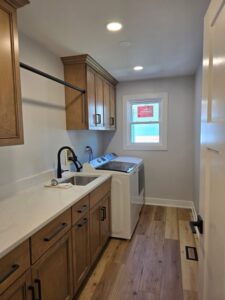
The kitchen is often called the heart of the home. It’s where families gather to cook, eat, and spend time together. But if your kitchen feels outdated or doesn’t function well for your needs, a renovation can completely transform it by giving you functionality and a peaceful space to gather. Whether you’re looking to update your kitchen to improve its style, functionality, or both, this guide will walk you through everything you need to know—from planning the layout to selecting the right appliances and materials. Let’s dive into the ultimate guide to your kitchen renovation!
Why Renovate Your Kitchen?
Before we jump into the details, it’s important to understand why renovating your kitchen is such a great investment. Here are a few reasons to consider a kitchen renovation:
- Increase Your Home Value: A well-designed kitchen can add significant value to your home, making it more appealing to potential buyers if or when you decide to sell.
- Improved Functionality: Renovating your kitchen can help make the space work better for you. Whether you need more counter space, storage, or a more efficient layout, a renovation can help solve these issues.
- Aesthetic Refresh: If your kitchen is stuck in the past with outdated appliances, flooring, or cabinets, a renovation can breathe new life into the space, making it more modern, stylish or cozy.
Step 1: Plan Your Layout
The first step in a kitchen remodel is to plan the layout. The layout is crucial because it determines how easy it will be to move around the kitchen, cook, and access the items you need. A well-thought-out layout will make your kitchen more efficient, comfortable, and enjoyable to use.

The Work Triangle
When designing your kitchen layout, consider the work triangle. This is a design principle that places the three main kitchen work areas—the stove, the sink, and the refrigerator—in a triangular shape. This layout allows for easy movement between the areas, making meal preparation more efficient.
Popular Kitchen Layouts
Here are some common kitchen layouts to consider:
- U-Shape Kitchen: This layout has three walls of cabinets and countertops, making it ideal for smaller kitchens. It provides plenty of counter space and storage while keeping everything within reach.
- L-Shape Kitchen: This layout uses two adjoining walls to create an L-shaped design. It’s great for open floor plans and can work well in both large and small kitchens.
- Galley Kitchen: A galley kitchen has two parallel walls with counters and appliances on either side. It’s a compact design that maximizes space, making it a good option for smaller kitchens.
- Island Kitchen: In this layout, the kitchen features a central island with extra counter space and storage. It’s perfect for larger kitchens and can provide a place for family members to gather.
Step 2: Choose Your Materials
Selecting the right materials is an essential part of any kitchen renovation. The materials you choose will impact the style, durability, and functionality of your kitchen. Let’s break down some important materials to consider for different aspects of your kitchen.
Countertops
The countertops are one of the most important features in your kitchen. They need to be durable, easy to clean, and match your design style. Some popular countertop materials include:
- Granite: Durable, heat-resistant, and available in many colors and patterns. Granite is a classic choice for kitchen countertops.
- Quartz: Engineered stone that is non-porous and easy to maintain. It comes in a wide range of colors and patterns.
- Marble: Elegant and stylish, marble is perfect for a luxurious kitchen. However, it can stain and scratch easily, so it requires more maintenance.
- Butcher Block: A warm, natural look that works well in rustic or farmhouse kitchens. It’s easy to repair if it gets damaged but requires regular sealing to protect against stains.
Cabinets
Cabinets are a key component in both the style and functionality of your kitchen. When choosing cabinets, consider the material, color, and style:
- Wood: Classic wood cabinets, like oak, maple, or cherry, are durable and can be stained or painted in various shades. They work well in traditional and rustic kitchens.
- Shaker-Style: Simple, clean lines make shaker-style cabinets a popular choice for modern and contemporary kitchens.
- Laminate: A more budget-friendly option, laminate cabinets are available in a variety of colors and styles. They’re easy to maintain and resistant to scratches.
- Custom vs. Prefabricated: Custom cabinets are made to fit your space perfectly but can be more expensive. Prefabricated cabinets are less expensive and come in standard sizes but may not maximize storage.
Flooring
The right flooring can set the tone for your kitchen and must be durable enough to withstand heavy foot traffic and spills. Here are a few flooring options:
- Tile: Ceramic or porcelain tiles are durable, water-resistant, and easy to clean. They come in many designs, from traditional to modern.
- Hardwood: Hardwood floors give a warm and timeless feel to your kitchen. While they look great, they can be prone to scratching and water damage.
- Vinyl: Budget-friendly and available in a variety of designs, vinyl flooring is durable, easy to clean, and water-resistant.
Step 3: Select Appliances
When it comes to choosing appliances for your kitchen, it’s important to select high-quality, energy-efficient options that fit your cooking style and needs. Let’s look at some key appliances to consider.
Refrigerator
The refrigerator is one of the most important appliances in your kitchen. When shopping for a new fridge, consider the size, style, and features:
- Top-Freezer: A classic, budget-friendly design where the freezer is located on top of the fridge.
- Bottom-Freezer: This style places the freezer below the fridge, making it easier to access fresh food at eye level.
- Side-by-Side: The fridge and freezer are placed next to each other in this design. It provides easy access to both sections, but the space inside may be narrower.
- French Door: This style has a bottom freezer and French doors on top, providing a wide and spacious fridge section.
Oven and Range
Your oven and range are essential for cooking. There are a few options to consider:
- Gas vs. Electric: Gas ranges are popular for their precise heat control, while electric ranges are often easier to clean.
- Convection Oven: A convection oven circulates hot air for even cooking, making it ideal for baking and roasting.
- Induction Cooktop: Induction cooktops use magnetic fields to heat pots and pans directly, offering fast and energy-efficient cooking.
Dishwasher
A dishwasher is another key appliance in the kitchen. Choose one that fits your space and offers good energy efficiency. Some features to look for include:
- Quiet Operation: Look for dishwashers with low decibel ratings if you want a quieter machine.
- Energy Efficiency: Choose an ENERGY STAR-rated dishwasher to save on your water and electricity bills.
- Size: Dishwashers come in various sizes, from compact models for smaller kitchens to larger models for bigger families.
Step 4: Add Storage Solutions

A kitchen renovation isn’t just about aesthetics—it’s also about making your space functional. One of the best ways to improve your kitchen is by adding more storage. Here are some smart storage ideas:
- Pull-Out Drawers: Installing pull-out drawers in your cabinets can help you easily access pots, pans, and spices without digging around.
- Pantry Organization: Consider adding a pantry with shelves or pull-out baskets to keep dry goods organized and accessible.
- Open Shelving: Open shelves are a trendy way to display dishes, plants, or cookbooks, while also providing easy access to your kitchen essentials.
- Lazy Susans and Pull-Out Shelves: These clever tools can help you make the most of corner cabinets and tight spaces.
Step 5: Focus on Lighting and Finishing Touches
Once your layout, materials, appliances, and storage are planned, it’s time to focus on the details that will bring your kitchen together.
Lighting
Lighting is essential for both functionality and ambiance. You should aim to have three types of lighting in your kitchen:
- Ambient Lighting: This is your primary source of light, such as overhead ceiling lights.
- Task Lighting: Focused lighting for specific tasks, like under-cabinet lights to illuminate countertops.
- Accent Lighting: Decorative lighting that adds style, like pendant lights above the island or chandeliers above the dining area.
Finishing Touches
Small details can make a big impact. Consider adding a stylish backsplash, new cabinet hardware, or a statement faucet to elevate your kitchen’s design.
A kitchen remodel can completely transform your home, making it more functional, stylish, and enjoyable to use. From planning the layout to selecting the right materials, appliances, and storage solutions, there are many factors to consider. By taking the time to carefully plan your renovation, you can create a kitchen that fits your needs and style. Remember, renovations don’t have to be overwhelming. With the right approach, you can enjoy a beautiful new kitchen in no time!